UniWave Electric
UniWave Electric
UniWave Electric
Explore our top-tier components engineered to comply with rigorous IEC specifications and industrial power grids.
In contemporary power distribution networks, the demand for highly reliable, safe, and cost-effective isolation and switching mechanisms has peaked. The Load Break Switch (LBS) stands at the center of this technological paradigm. Acting as the bridge between standard disconnectors (which only isolate circuits under zero-load conditions) and circuit breakers (designed to interrupt massive fault currents), a Load Break Switch offers the precise ability to switch operational currents on and off. This mechanism safeguards municipal power distribution grid systems, renewable generation setups, and critical industrial processing lines.
As the international grid shifts toward decentralized power generation sources—particularly large-scale solar photovoltaic (PV) plants, offshore wind farms, and battery energy storage systems (BESS)—switching demands have shifted dramatically. Direct current (DC) switching at voltages reaching 1500VDC demands innovative arc-extinguishing topologies. Modern Load Break Switches must satisfy severe mechanical and electrical endurance criteria under extreme environmental stress.
Moreover, the integration of IoT-based smart sensors inside medium voltage switchgear is transitioning maintenance from preventive cycles to predictive systems. Modern factories in China are at the forefront of this switch, incorporating advanced thermal telemetry, mechanical wear sensors, and digital bus communications into their LBS designs.
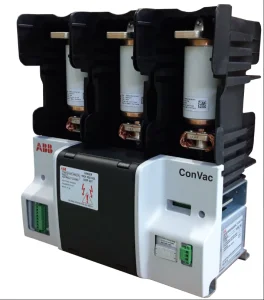
Utilizing high-performance vacuum interrupters or low-pressure SF6 gas chambers to ensure immediate arc quenching during high-current load breaks, reducing contact wear and extending life cycles.
Designed and routinely tested in ISO9001-certified facilities. Every unit goes through impulse voltage tests, partial discharge tests, and mechanical endurance runs prior to shipping.
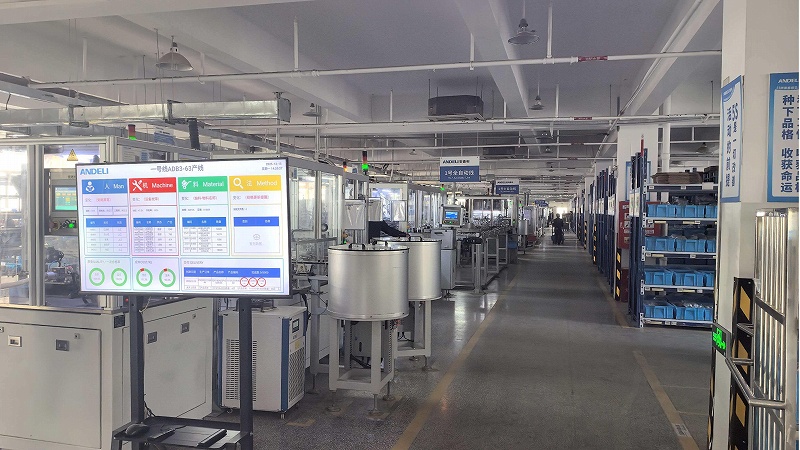
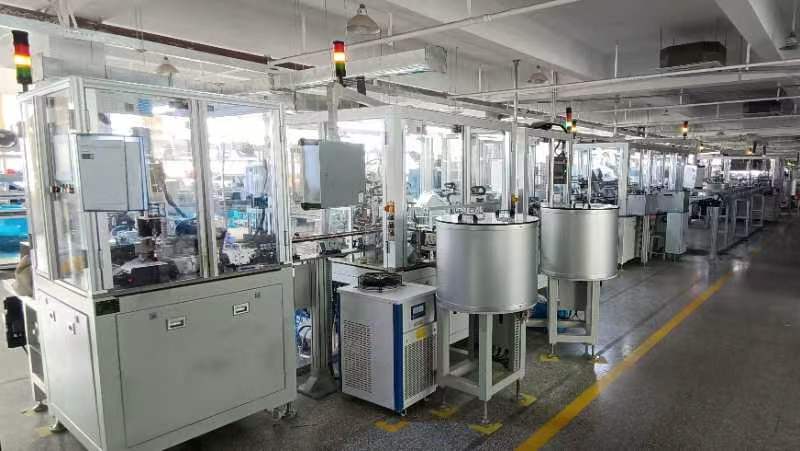
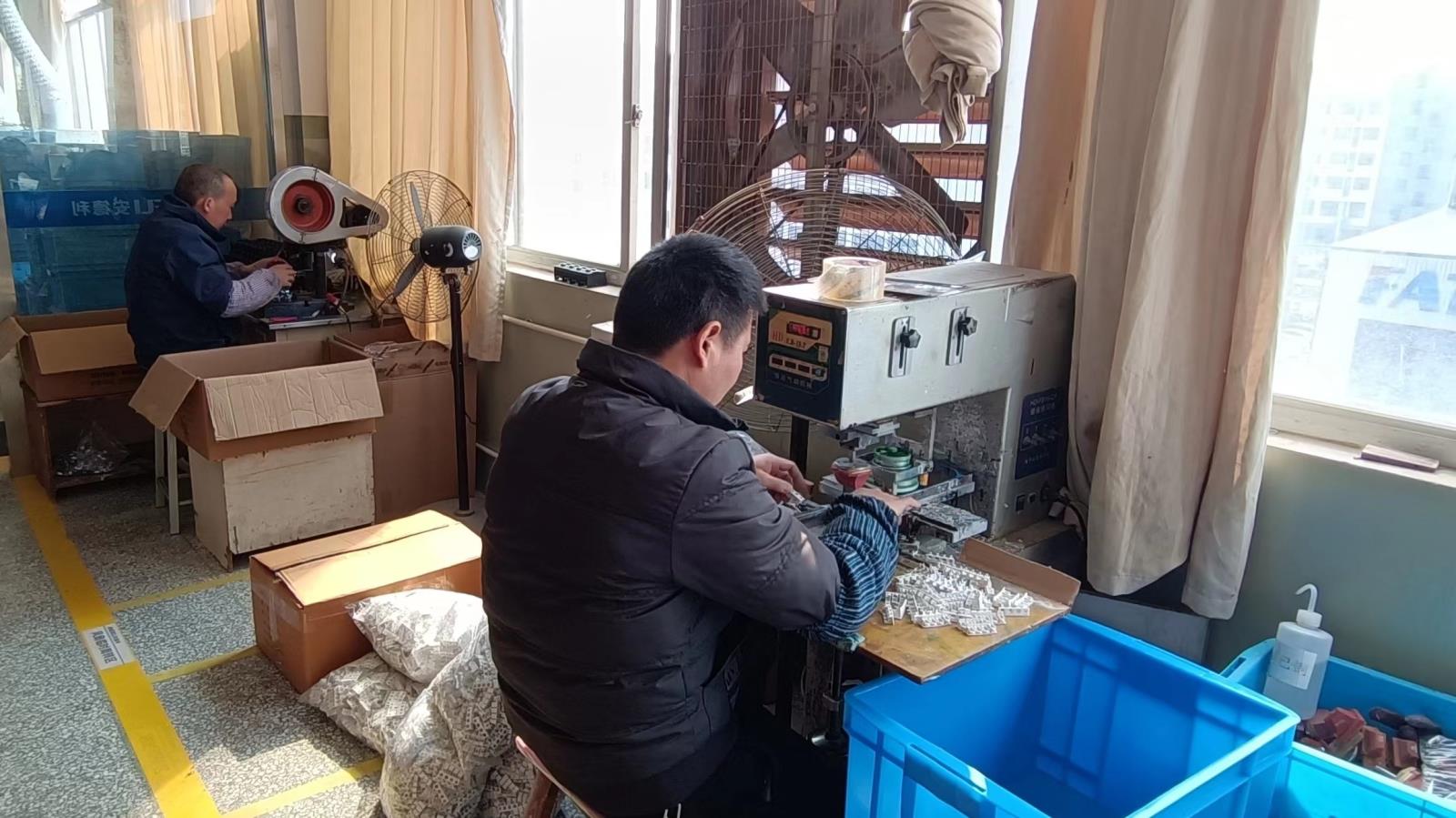
Historically known as a low-cost manufacturing hub, Wenzhou (specifically the Yueqing area) has evolved into a global powerhouse for low and medium-voltage electrical components. The concentration of component manufacturers, raw material suppliers, specialized surface treatment operations, and independent testing labs creates an unparalleled industrial cluster. Under the "Factory 4.0" initiative, leading manufacturers like Wenzhou UniWave Electric Co., Ltd. have replaced manual processes with automated winding machines, robotic pad-printing setups, and automated optical testing machines. This guarantees absolute mechanical consistency across production runs while mitigating the risk of human assembly error.
Witness our complete manufacturing cycle, blending automated technology with precision testing protocols.
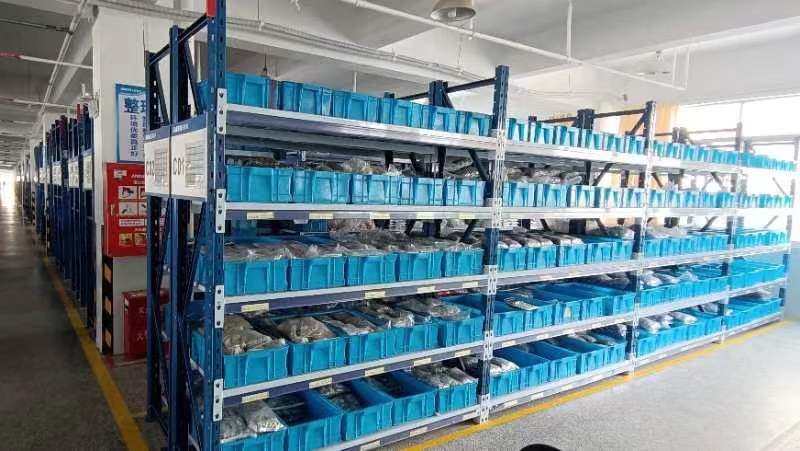
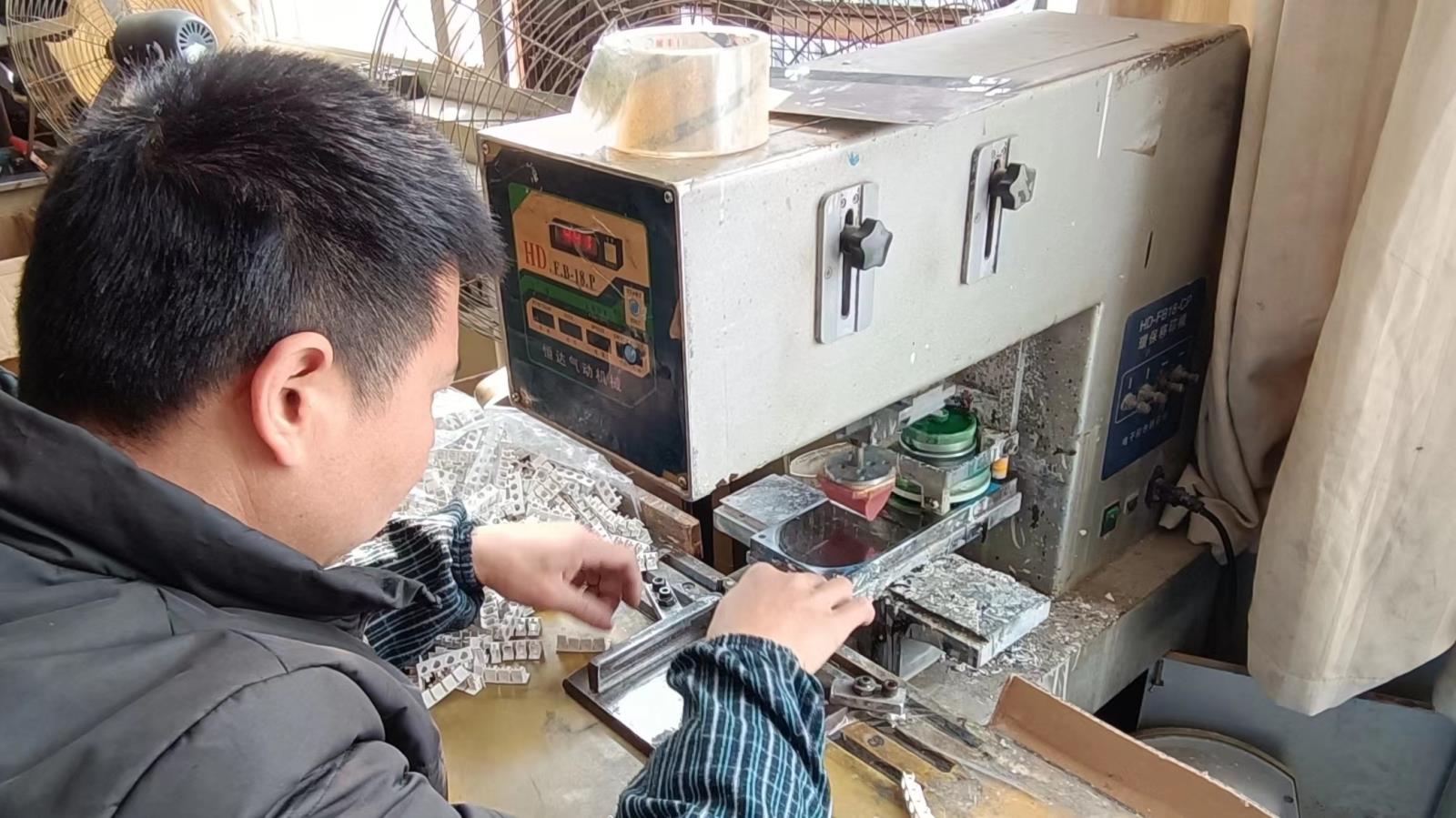
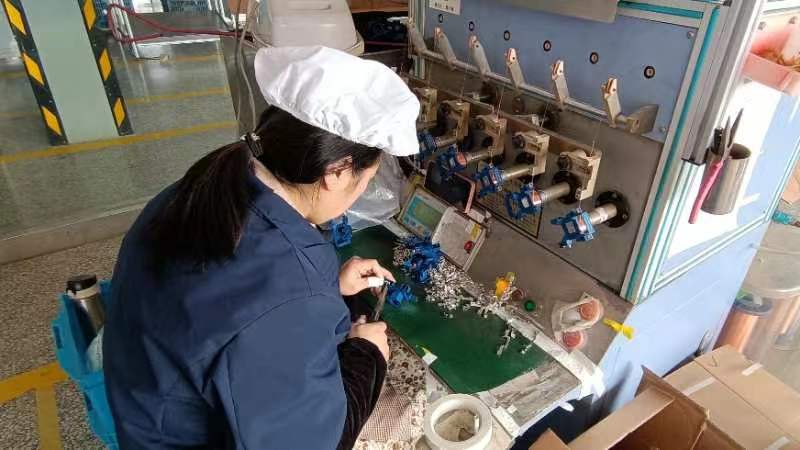
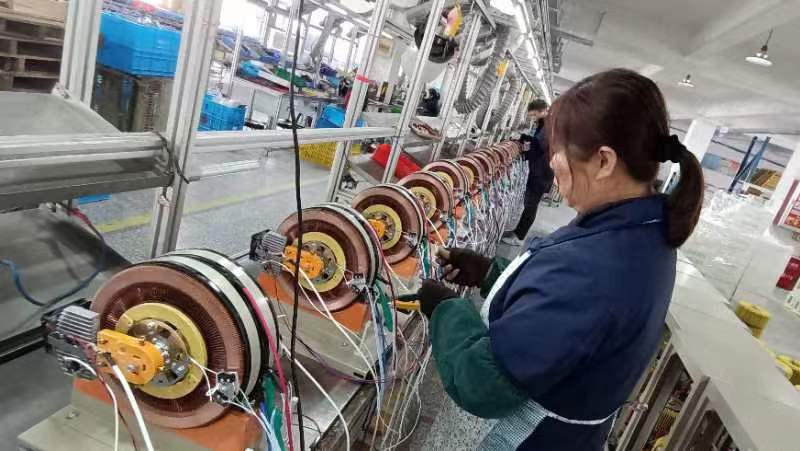
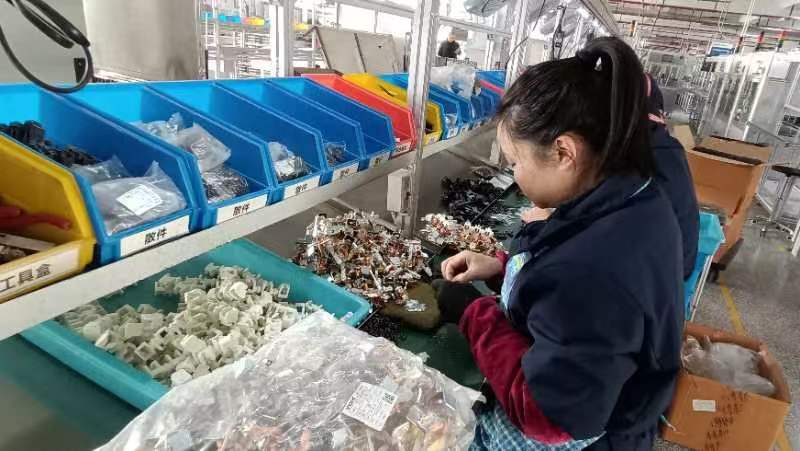
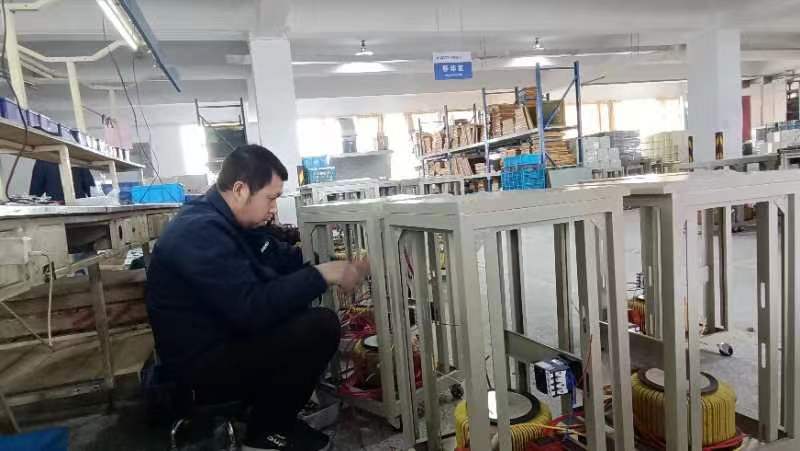
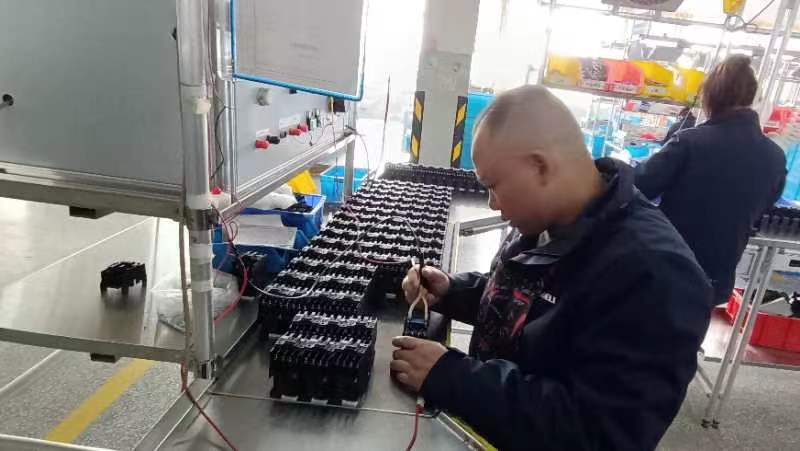
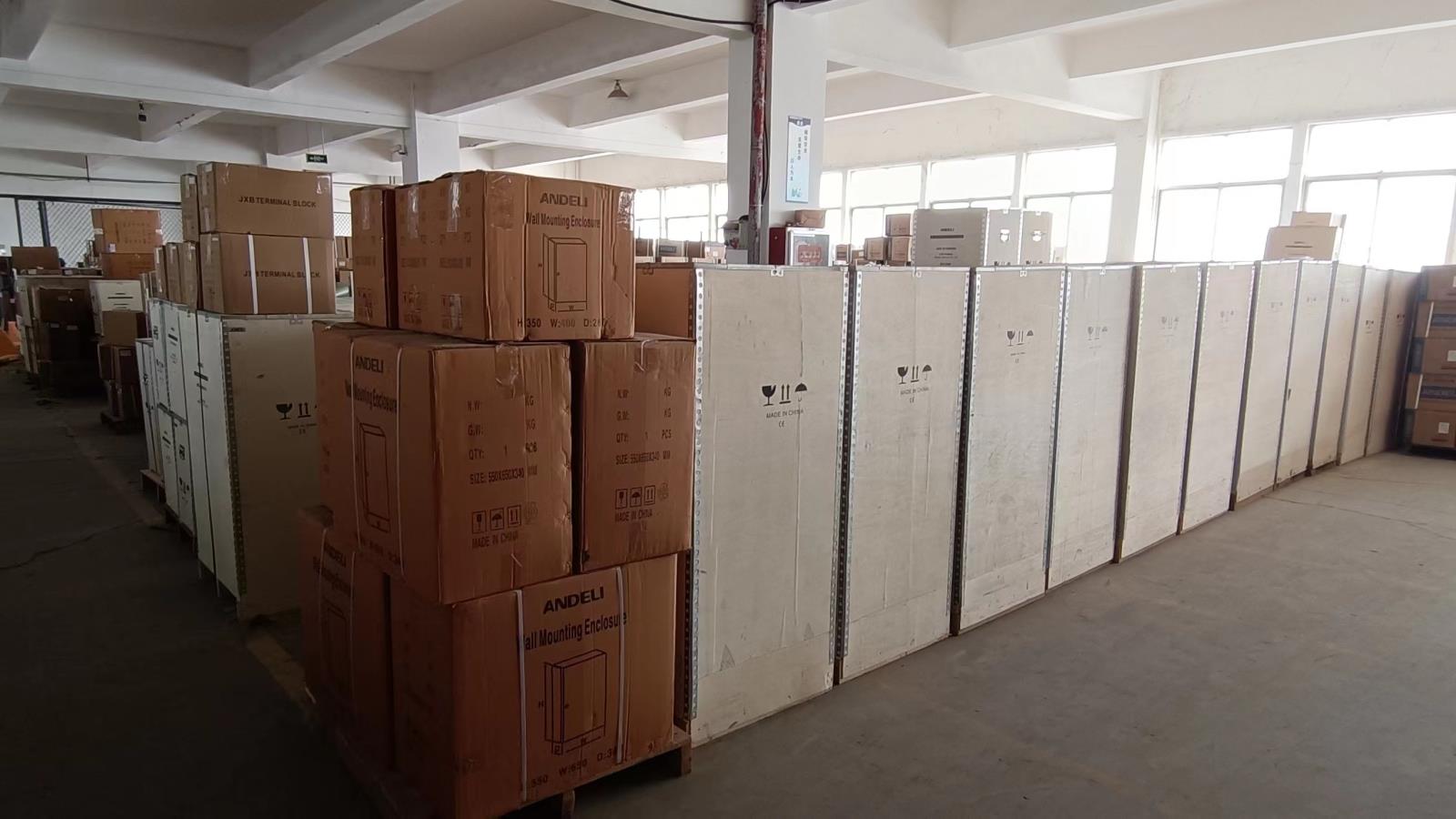
Selecting the correct switchgear requires analyzing electrical parameters in relation to the application environment. For instance, the mechanical life of an LBS refers to the count of open-close cycles it handles without current. The electrical life, conversely, details the operations it can safely sustain at rated load before contact replacement is required.
Within this technical context, Wenzhou UniWave Electric Co., Ltd. leverages a deep-seated R&D heritage. Backed by 25 years of field experience, the engineering team develops solutions covering RCBOs, MCCBs, Isolator Switches, AC Contactors, and Voltage Stabilizers, adapting to global power demands across Europe, the Americas, Asia, and Africa.
Complete safety, control, and regulation solutions constructed in compliance with SAA, CE, and ISO9001 certifications.
Navigating the global switchgear marketplace requires structured coordination between purchasing managers and technical engineering teams. To prevent premature equipment failures, procurement reviews should evaluate the following key parameters:
Different media offer distinct benefits depending on the application context:
Environmental factors dictate casing design. Saltwater air in coastal wind installations requires marine-grade anti-corrosive properties (equivalent to IP65 or higher). Industrial sectors dealing with particulate matter or dust require robust enclosures to prevent micro-contamination of the switch mechanisms.
For European integration, CE and CB certification are baseline requirements. Oceanic projects depend heavily on SAA safety standards, and global projects rely on IEC 60947-3 compliance. Ensuring the manufacturer supplies authentic, independently verified test documentation is key to maintaining grid reliability.
Answers to critical technical queries for design engineers and system integrators.