UniWave Electric UniWave Electric

Why Is My Motor Starter Overheating During Operation?

Time:2026-08-11 Author:Oliver
0%

Electrical systems can be complex. One common issue technicians face is overheating motor starters. Understanding why is vital for efficient operation. When you ask, "why is my motor starter overheating during operation," several factors come into play.

Often, excessive heat is a sign of deeper problems. Poor ventilation around the starter can trap heat. Additionally, the motor's overload settings may be misconfigured. Using an incorrect starter size can lead to overheating as well. Monitoring the environment is crucial.

Sometimes the problem stems from loose connections. Poor electrical contact generates heat. Over time, this can damage the system. Regular maintenance is essential to address these issues early. Observing the signs can save costs in the long run. Review your setup carefully to ensure optimal performance.
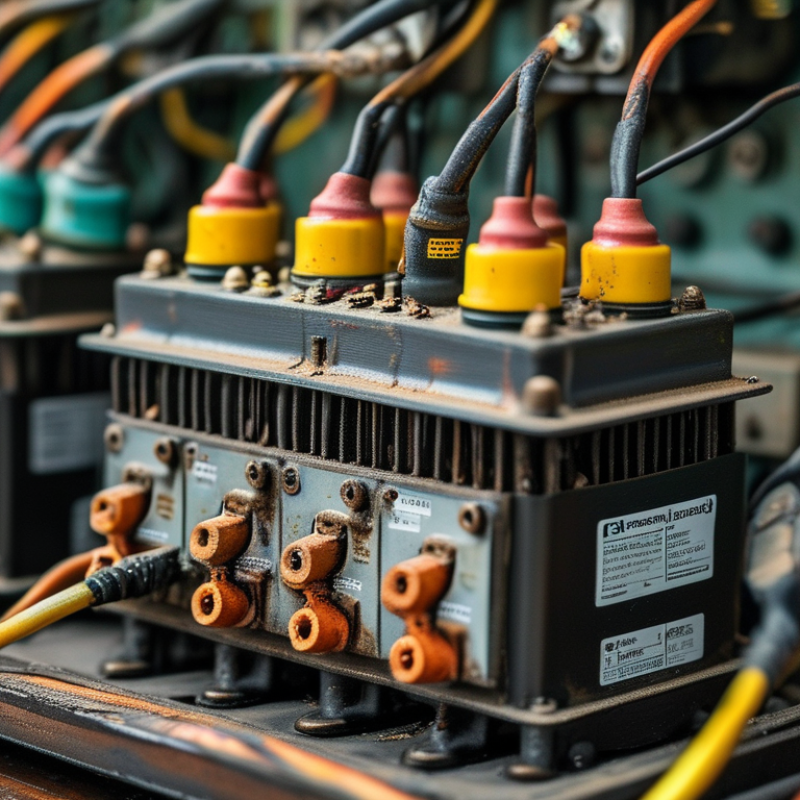
Why Is My Motor Starter Overheating During Operation?

Causes of Overheating in Motor Starters

Motor starters are vital for an efficient operation of electric motors. However, overheating can become a serious issue. Several factors contribute to this problem. One common cause is an overloaded electrical circuit. When a motor starts, it draws a high inrush current. If the starter isn’t rated appropriately, it may overheat due to this excess load.

Another significant factor is inadequate ventilation. Starters need proper airflow to dissipate heat. If they are placed in a confined space, heat can build up quickly. Dust and debris can also block ventilation slots, amplifying the overheating issue. Additionally, faulty or worn-out components like contactors can lead to poor electrical connections. This resistance generates more heat than normal.

Improper settings can also cause overheating. If the thermal overload settings are not calibrated correctly, the motor starter may not trip as intended. Regular maintenance is crucial. Users should check for signs of wear and tear. This proactive approach can help prevent overheating and extend the life of motor starters. Ignoring these signs can lead to more significant damage, creating potential operational downtime.

Signs Indicating Overheating Issues

Motor starters play a crucial role in the operation of electrical motors. When they overheat, this can lead to several operational issues that may go unnoticed initially. Common signs of overheating include unusual noises, such as humming or buzzing, which indicate that the internal components are struggling. You might also notice a burnt smell, often a clear indicator that something is wrong. While you may not always see these signs immediately, paying attention to the motor's performance can reveal underlying problems.

Another indication of overheating is the tripping of circuit breakers. Frequent trips suggest that the motor starter is working harder than it should. In some cases, the starter may feel excessively hot to the touch. This intense heat can actually damage the starter over time, leading to costly repairs. Regularly inspecting the system can help you catch these warning signs early. Keep an eye on your motor starter and don't ignore small issues; they can escalate quickly. Addressing these signs promptly can save your equipment from further damage and ensure smoother operations.

Impact of Environmental Conditions on Motor Starter Performance

Environmental conditions significantly affect the performance of motor starters. High ambient temperatures can lead to overheating issues. According to the Institute of Electrical and Electronics Engineers (IEEE), every 10°C increase in temperature can halve a motor's lifespan. This drastic effect on longevity demonstrates how critical temperature control is.

Humidity also plays a role. Moisture can corrode electrical contacts, causing inefficiencies. Reports indicate that even a slight increase in humidity can reduce electrical resistance, leading to excessive current draw. Such changes put enormous stress on motor starters, increasing the chances of failure.

Dust and dirt from the environment can clog airflow in starter enclosures. This impairment restricts heat dissipation. In industrial applications, environments may contain abrasive particles, further complicating starter longevity. Regular maintenance is vital to combat these challenges. Cleaning and inspecting components help ensure optimal performance even in harsh conditions.

Preventive Measures to Avoid Overheating

Motor starters are crucial for controlling the operation of electric motors. However, overheating during operation can lead to significant issues. To prevent this, it's essential to implement protective measures.

Regular inspection of motor starters is vital. Check for dust and debris accumulation, as these can insulate heat and reduce airflow. Loose connections should also be addressed immediately. They create resistance, leading to excess heat. Ensure that the voltage rating matches the starter specifications. Overvoltage can cause components to fail prematurely.

Another aspect to consider is the load on the motor starter. Operating a motor above its rated capacity can overload the starter, increasing the risk of overheating. It's vital to perform regular load assessments. Additionally, ensure proper ventilation in the installation area. Restricted airflow can trap heat, exacerbating the problem. Regular maintenance checks can help identify potential risks before they become significant issues.

Troubleshooting Steps for Overheating Starters

Overheating in motor starters can lead to serious issues. It’s vital to identify the cause promptly. Begin your troubleshooting by checking the power supply connected to the starter. Insufficient voltage can cause overheating. Measure the voltage with a multimeter, ensuring it matches motor specifications.

Another common issue is poor ventilation around the starter. Dust and debris can clog vents. Ensure the area is clean and that airflow is unobstructed. Consider installing a fan if the starter is in a high-temperature area.

Tips: Regular maintenance includes checking connections. Loose wires can generate excess heat. Tighten any loose connections to minimize risk.

Lastly, examine the starter's load. If it operates beyond its rated capacity, it can overheat quickly. Assess whether the workload matches the starter’s specifications. Adjustments may be needed to prevent damage.

Tips: Keep a log of operating temperatures. This will help identify patterns over time. Tracking data can prevent future troubles.

FAQS

: What causes motor starters to overheat?

: Overloading the electrical circuit is a common cause. High inrush current can lead to overheating.

How does inadequate ventilation contribute to overheating?

Poor airflow traps heat. Dust can block ventilation slots and worsen the heating issue.

What role do faulty components play in overheating?

Worn-out parts increase electrical resistance. This added resistance generates excess heat.

How can improper settings lead to overheating?

Incorrect thermal overload settings may prevent the starter from tripping. This puts it at risk of overheating.

What maintenance steps can help prevent overheating?

Regular inspections are crucial. Check for dust, loose connections, and wear signs.

Why is it important to match voltage ratings?

Using overvoltage can cause component failure. Ensure the starter matches specified voltage ratings.

How does load assessment prevent overheating?

Operating above the rated capacity increases overheating risk. Regular assessments help manage this.

What should I do if my motor starter overheats?

Check the power supply voltage and ventilation. Look for dust accumulation and clean as needed.

Why is tracking operating temperatures useful?

Keeping a log helps identify patterns. This data can assist in preventing future issues.

What could happen if I ignore signs of overheating?

Ignoring signs can lead to significant damage. This may cause operational downtime and costly repairs.

Conclusion

Motor starters are essential components in controlling the operation of electric motors, but occasionally, users may encounter issues such as overheating. Addressing the question of "why is my motor starter overheating during operation" involves examining various potential causes such as poor electrical connections, excessive load conditions, and insufficient ventilation. Signs indicating overheating issues may include unusual noises, tripping circuit breakers, or visible signs of damage.

Environmental conditions, like high ambient temperatures or dust accumulation, can significantly impact motor starter performance, leading to overheating. To prevent such issues, implementing measures such as regular maintenance, ensuring proper installation, and monitoring operation conditions is vital. In case of overheating, a systematic troubleshooting approach can help diagnose and resolve the underlying problems, ensuring the motor starter functions efficiently and reliably.

Oliver

Oliver

Oliver is a seasoned marketing professional with a wealth of expertise in driving brand awareness and engagement. With a deep understanding of our company's product offerings, he consistently delivers high-quality content that enriches our professional blog. His insights not only shed light on......