UniWave Electric
When it comes to protecting control panels from power surges, expertise is essential. Electrical engineer John Smith emphasizes, "Proper installation of surge protective devices is crucial for system reliability." This insightful perspective highlights the importance of knowing how to install a surge protective device in a control panel efficiently.
Surge protective devices (SPDs) play a vital role in safeguarding sensitive electronics. The installation process requires precision and attention to detail. Many individuals overlook the various factors that affect performance. This can lead to subpar outcomes and potential equipment failure. Familiarizing oneself with the components and layout is essential.
Adequate preparation can significantly impact the installation process. Understanding electrical diagrams and safety protocols is non-negotiable. It is easy to make mistakes if haste is involved. As John Smith points out, the effectiveness of SPDs relies on how well they are integrated into the system. Recognizing these challenges helps technicians improve their skills and mitigate risks effectively.
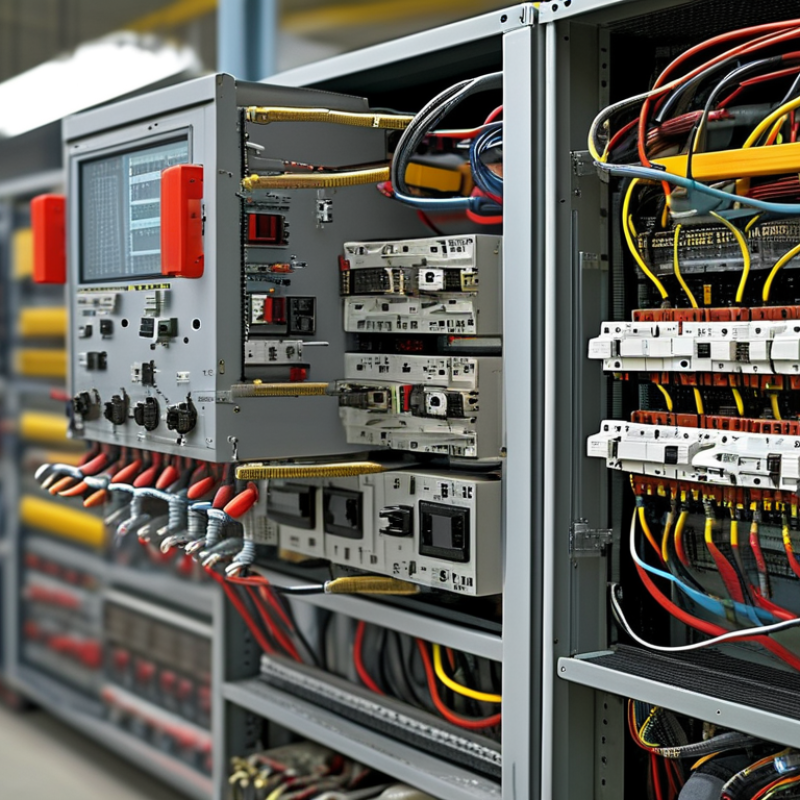
Surge protective devices (SPDs) are essential in control panels. They safeguard electrical equipment from voltage spikes. Common causes of surges include lightning strikes and power system disturbances. Understanding how SPDs work can enhance your panel's reliability.
SPDs divert excess voltage away from sensitive components. They do this by clamping down on voltage levels. The surge is redirected to the grounding system. This simple mechanism helps prevent damage to vital equipment. However, installation requires careful consideration. Factors like surge capacity and application type are crucial.
Even seasoned technicians can make oversights. For example, incorrect placement might reduce the SPD’s effectiveness. Each panel's design varies, making it essential to review schematics. Ensuring compatibility with existing components is also key. When in doubt, consult industry standards or seek expert advice for optimal performance.
When selecting a surge protective device (SPD) for your control panel, consider the unique requirements of your system. Not all SPDs are created equal. Start by assessing the maximum continuous operating voltage and the expected surge current ratings. These factors will influence the device's effectiveness and longevity. The right SPD can significantly enhance your system's reliability.
Your environment plays a critical role too. If your control panel is in a high-risk area for electrical surges, opting for a higher-rated SPD is advisable. Look for devices that meet relevant industry standards, ensuring they undergo rigorous testing. These criteria can help in avoiding unreliable products. Note that cheaper options may lead to future regrets as they might not withstand frequent surges.
Consider installation space and ease of access. Not all devices fit neatly into standard panels. A tight squeeze can make maintenance difficult. Ensure your chosen SPD allows for proper airflow and convenient connections. Pay attention to thermal management as well. Unmonitored heat can compromise the device's function over time. Prioritizing compatibility and performance transforms your selection from a mere box to a crucial component of your system's safety.
Preparing the control panel for the installation of a surge protective device (SPD) is crucial in ensuring the longevity and reliability of electrical equipment. According to a report by the Electrical Safety Foundation International, surge events can damage equipment, leading to costly downtime. A well-prepared panel can mitigate this risk.
Start by assessing the existing panel layout. Ensure that there is sufficient space for the SPD without obstructing other components. This is essential because crowded panels can lead to overheating. Typically, the SPD should be located near the incoming power source. This positioning allows for effective dissipation of transient voltages. Verify the grounding system. A poor grounding setup can compromise the SPD's performance. Ensure connections are tight and corrosion-free.
Next, consider the wire gauge and circuit breakers. Utilizing the appropriate wire gauge can prevent damage from high currents. Furthermore, according to National Electrical Code (NEC) standards, it’s essential to match the SPD’s rating with the circuit breaker for safety and efficiency. Regular inspections should also be part of maintenance. These inspections allow for the early detection of wear or malfunction. The emphasis on thorough preparation cannot be overstated. It is often overlooked but significantly impacts the effectiveness of surge protection.
This bar chart represents the estimated time in hours for each step involved in the installation of a surge protective device in a control panel.
Installing a surge protective device (SPD) in a control panel is crucial for safeguarding electrical equipment. The first step is to gather your tools. You will need a screwdriver, wire cutters, and a multimeter. Wearing safety gloves is also advised. Ensure the power source is turned off before beginning any work.
Next, locate the appropriate space within your panel for the SPD. It should be near the main incoming power line but not obstructing other components. Remember, a cluttered panel can lead to mistakes. Connect the SPD’s wires to the corresponding terminals. Make sure the connections are tight and secure. An error here can diminish the device's effectiveness.
After wiring, double-check your connections. A millimeter off could lead to serious hazards. Once everything looks good, restore power to the panel. Test the SPD using a multimeter to ensure it is functioning correctly. Keep in mind that over time, these devices can wear out. Regular checks will help maintain the reliability of your electrical system.
After installing a surge protective device (SPD) in a control panel, testing and maintenance are crucial steps. Regular checks ensure that the device operates effectively. Monitor the status indicators on the SPD. If any lights signal an issue, it's time to act. Perform testing at least once a year, more often if conditions are severe. Disconnect power before any tests or maintenance actions.
One common method for testing is to use a multimeter. Measure the voltage across the SPD terminals. Ensure the readings are within specified limits. If discrepancies arise, consider replacing the device. Physical inspections are also important. Check for signs of wear, burn marks, or loose connections. These indicators can signify underlying issues that need addressing.
Documentation is vital throughout this process. Record all test results and any maintenance performed. This creates a reliable history of the SPD's status. It also provides valuable insight into how the device behaves over time. Reflecting on past maintenance efforts can highlight areas for improvement. Ensure your testing protocols evolve with your operational needs. This proactive approach enhances performance and extends the lifespan of your devices.
: SPDs protect electrical equipment from voltage spikes. They are vital for maintaining panel reliability.
Common causes include lightning strikes and power system disturbances. Both can lead to damaging voltage spikes.
They divert excess voltage away from sensitive components. SPDs clamp down on voltage and redirect it to grounding.
Improper installation can reduce effectiveness. Each panel design varies, making careful review essential.
Assess space, check grounding, and ensure wire gauge matches circuit breakers. These factors affect the SPD's performance.
Place the SPD near the incoming power source. This helps in effective dissipation of transient voltages.
A poor grounding setup compromises SPD effectiveness. Ensure connections are tight and free from corrosion.
Inspections detect wear or malfunction early. They help maintain the effectiveness of surge protection.
Using the wrong wire gauge can lead to damage from high currents. Correct gauge is crucial for safety.
Even experienced technicians can overlook placement. A crowded panel may lead to overheating and other issues.
In the article "How to Install a Surge Protective Device in a Control Panel," readers are guided through the essential aspects of surge protective devices (SPDs) and their critical role in safeguarding control panels from voltage surges. The discussion begins with an overview of SPDs, highlighting their functionalities and importance in electrical systems. It then transitions into selecting the appropriate device tailored to specific system requirements, ensuring optimal protection.
The article further details the necessary preparations for installing the SPD, including assessing the control panel layout and ensuring compatibility. A comprehensive step-by-step installation process is provided, emphasizing safety and accuracy. Finally, it covers the testing and maintenance protocols to ensure the longevity and effectiveness of the installed surge protective device. This detailed guide serves as a valuable resource for anyone eager to learn how to install a surge protective device in a control panel, ensuring both safety and performance in their electrical systems.
