UniWave Electric UniWave Electric

2026 How to Identify Signs of a Failing Molded Case Circuit Breaker?

Time:2026-08-21 Author:Charlotte
0%

Understanding what are the signs of a failing molded case circuit breaker is crucial for electrical safety and system reliability. Molded case circuit breakers (MCCBs) protect circuits by interrupting excessive current flow. However, like all electrical devices, they can degrade over time. Identifying early warning signs can prevent costly damage and ensure continuous operation.

Common indicators include physical damage, unusual noises, and frequent tripping. If you notice cracks in the casing, it might indicate internal issues. Additionally, persistent buzzing or humming sounds may signal electrical stress. Frequent tripping could reflect an underlying malfunction. Ignoring these symptoms can lead to serious equipment failure, emphasizing the need for vigilance.

Regular inspection and maintenance are essential. This proactive approach can extend the lifespan of MCCBs. Being aware of what are the signs of a failing molded case circuit breaker helps in making informed decisions. People sometimes overlook these signs or misinterpret them, which can be dangerous. Recognizing and addressing issues early on can enhance safety and performance.
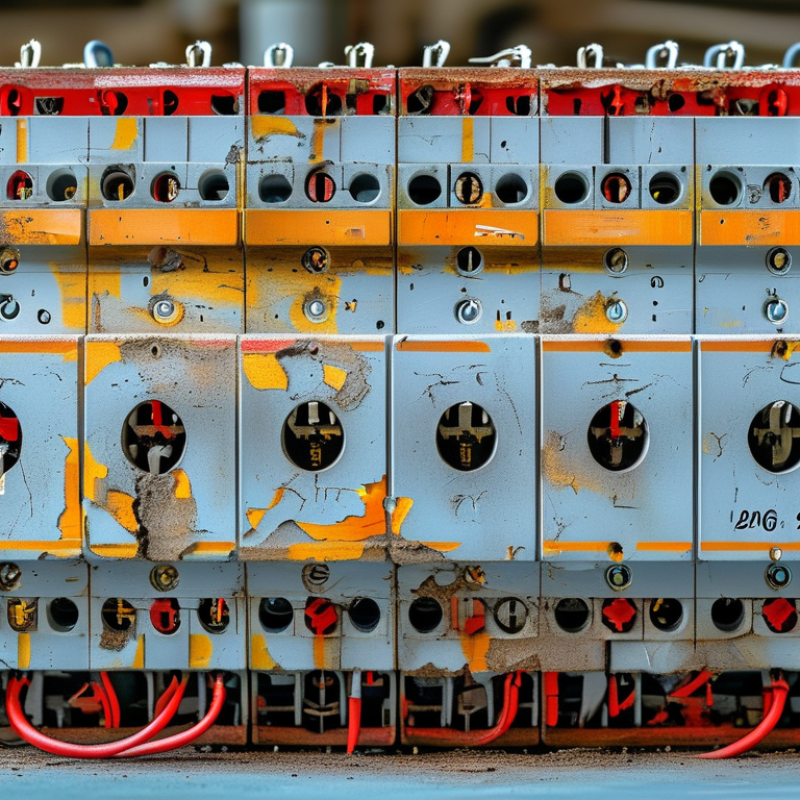
2026 How to Identify Signs of a Failing Molded Case Circuit Breaker?

Understanding Molded Case Circuit Breakers and Their Functions

Molded case circuit breakers (MCCBs) play a crucial role in electrical systems. They not only protect against overcurrents but also ensure safety by isolating faults. According to industry reports, MCCBs can handle currents ranging from 15 to 3,200 amperes. This wide tolerance makes them essential in various applications, from residential structures to industrial plants. Understanding how they function requires familiarity with their design and operation.

A well-functioning MCCB relies on mechanical components and an electromagnet. When an overload occurs, the bimetallic strip bends, tripping the breaker. Yet, they can fail silently, leading to severe consequences. Faulty breakers may appear normal but can cause overheating or arc faults. Reports indicate that poorly maintained MCCBs are responsible for 30% of electrical fires in commercial buildings. Monitoring their condition is vital.

Regular inspections can help identify early signs of failure. Look out for physical damage, such as cracks or burnt marks. Noise during operation could indicate internal issues. Minor changes may signal deeper problems. Regular maintenance can prevent unexpected failures and improve safety. Understanding these aspects is essential for anyone working with electrical systems.

2026 How to Identify Signs of a Failing Molded Case Circuit Breaker?

Sign of Failure Description Impact Recommended Action
Frequent Tripping The breaker trips unexpectedly or more often than normal. Indicates possible overload or internal failure. Consult an electrician to inspect and possibly replace the breaker.
Physical Damage Noticeable cracks, burns, or melted components on the circuit breaker. Serious safety hazard and potential equipment failure. Replace the circuit breaker immediately.
Overheating The enclosure of the breaker feels unusually hot to the touch. Can lead to insulation failure and short circuits. Have a qualified technician inspect the breaker and wiring.
Noise Humming, buzzing, or clicking sounds coming from the breaker. Indicates possible loose connections or internal components failure. Investigate and tighten connections or replace the breaker as necessary.
Inconsistent Performance The breaker does not trip under overload conditions as expected. Risk of equipment damage or fire hazard. Replace the breaker to ensure safety and functionality.

Common Symptoms of Molded Case Circuit Breaker Failure

Molded case circuit breakers (MCCBs) play a crucial role in electrical safety. Spotting the symptoms of failure can prevent significant hazards. One common sign is physical damage. Look for cracks or burn marks on the surface. These imperfections usually indicate internal failures.

Another symptom to watch for is unusual noise. A healthy MCCB operates quietly. If you hear clicking or buzzing, it may be a sign of impending failure. These sounds can signal arcing or loose components within the breaker. Pay attention to any flickering lights when devices are switched on. This can indicate that the breaker may not be effectively managing the load.

Frequent tripping is a significant warning sign. If the breaker trips often without clear cause, it may be struggling to cope with the electrical demands. This could also suggest underlying wiring issues or equipment problems. Regular inspections are essential. Noticing these signs promptly can help address potential failures before they escalate into more serious problems. Always consider consulting with a qualified electrician for an in-depth evaluation.

Visual Inspection: Signs of Physical Damage or Wear

When conducting a visual inspection of molded case circuit breakers (MCCBs), it's vital to look for signs of physical damage or wear. One common indicator is discoloration on the housing, often caused by overheating. Research indicates that over 30% of electrical failures stem from poor connections or damaged breakers. Cracks or deformation on the casing could signal internal issues that might lead to failure.

Additionally, inspect the terminals for corrosion or burning. Discoloration around connections can decrease the effectiveness of the unit. Regularly checking the wire connections is essential; loose or damaged wires can lead to failure, impacting performance. According to industry standards, a significant percentage of breaker failures result from such visual symptoms.

A thorough inspection may also involve noticing any unusual noises during operation. Odd sounds can indicate internal component failure, which is often ignored until it's too late. Awareness of these signs helps prevent unexpected breakdowns and improves safety. Conducting regular visual checks isn't just a best practice; it's a necessity for maintaining the operational integrity of electrical systems in various applications.

Electrical Testing: How to Assess Circuit Breaker Performance

Circuit breakers play a crucial role in electrical systems. Regular testing is essential to ensure their performance remains optimal. To assess a molded case circuit breaker's effectiveness, start with a visual inspection. Look for any signs of physical damage, discoloration, or corrosion. These signs may indicate underlying issues that need immediate attention.

Next, conduct electrical tests to evaluate its function. This can include measuring the trip current and operating time. Using the appropriate testing equipment is crucial for accurate results. Be aware that a circuit breaker may show erratic behavior even if it appears fine externally. Pay attention to any unusual sounds, such as cracking or popping. These noises can signal impending failure.

Reliability hinges on thorough assessments. Encourage regular testing schedules and maintain records of performance data. If signs of failure emerge, consult with a qualified electrician. Understanding these signs early can prevent larger issues down the road, ensuring safety and efficiency in your electrical system. In this way, vigilance can lead to enhanced reliability.

Taking Action: When to Repair or Replace a Failing Circuit Breaker

When facing a failing molded case circuit breaker, quick action is essential. Signs may include tripping frequently, overheating, or visible damage. The National Electrical Manufacturers Association states that nearly 30% of circuit breakers in use exceed their service life. This data emphasizes the importance of regular inspections and monitoring for any unusual behavior.

Repairing a circuit breaker can sometimes be a cost-effective solution, but only when issues are minor. If a breaker begins to fail frequently, replacement is often the better option. Research indicates that replacing old breakers can enhance safety and efficiency, reducing emergency callouts and potential fire hazards by up to 40%. It's crucial to assess the situation and not overlook early warning signs.

Addressing these concerns promptly can lead to long-term benefits. The initial investment in a new breaker often outweighs the risks associated with a malfunctioning unit. Many users, however, hesitate, considering repairs over replacements. Such decisions can have lasting implications on both safety and operational efficiency. Keeping a close eye on circuit breakers can prevent costly mistakes down the line.

FAQS

: What are molded case circuit breakers (MCCBs)?

: MCCBs protect electrical systems by managing overcurrents and isolating faults.

How do MCCBs function during an overload?

During an overload, a bimetallic strip bends, which trips the breaker to stop the current flow.

What is the risk of faulty MCCBs?

Faulty MCCBs may appear normal but can lead to overheating and arc faults, risking safety.

How can I identify if a circuit breaker needs inspection?

Look for physical damage, noise during operation, or frequent tripping as signs of failure.

When should I repair or replace a circuit breaker?

Repair minor issues, but replace the breaker if it trips frequently or shows visible damage.

What is the impact of old circuit breakers?

Nearly 30% of circuit breakers exceed their service life, increasing risks of failure and hazards.

Why is maintenance vital for MCCBs?

Regular maintenance helps prevent unexpected failures and reduces the risk of electrical fires.

What are the benefits of replacing old circuit breakers?

Replacing old breakers can enhance safety and efficiency, potentially reducing risks by up to 40%.

How often should I inspect my circuit breakers?

Regular inspections are essential, especially if you notice unusual behavior or changes in performance.

What mistakes do users often make regarding circuit breakers?

Users frequently hesitate to replace breakers, opting for repairs instead, which can lead to serious safety issues.

Conclusion

Molded case circuit breakers (MCCBs) play a crucial role in electrical systems by providing overcurrent protection and maintaining safety. Understanding how these devices function is essential for identifying potential issues. Common symptoms of a failing molded case circuit breaker include trips, inconsistent performance, or unusual noises. To determine what are the signs of a failing molded case circuit breaker, conducting a visual inspection for any physical damage, such as cracks or burn marks, is vital.

Additionally, electrical testing can comprehensively assess the breaker’s performance, ensuring it operates within its rated specifications. If any signs of failure are observed, it's important to take action promptly, either through repair or replacement, to maintain the integrity and safety of the electrical system. Regular maintenance and monitoring are key to preventing unexpected failures and ensuring reliable operation.

Charlotte

Charlotte

Charlotte is a seasoned marketing professional with a deep understanding of the company's portfolio and a passion for elevating its presence in the market. With a keen eye for detail and a commitment to excellence, she ensures that our professional blog is regularly updated with insightful articles......